Application Software on Mobile Phones: 6 Types of Softwares
Table of Contents
In the digital age, our daily lives are intertwined with technology, and much of what we do on our computers or smartphones is powered by various types of software. One key category that plays a crucial role in helping us accomplish everyday tasks is application software. From browsing the internet and sending messages to editing photos and managing files, application software makes our digital experiences easier and more efficient.
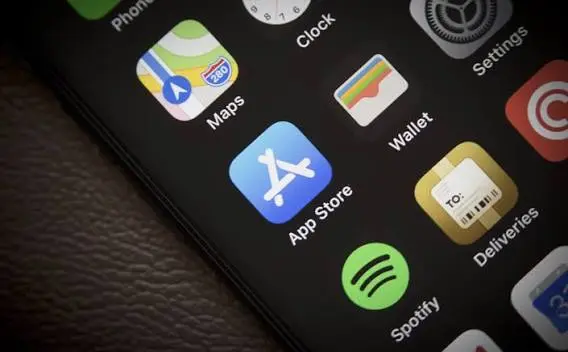
Application software on mobile phones allows users to perform a wide range of activities directly from their smartphones. Examples include social media apps, mobile banking applications, video streaming platforms, gaming apps, and productivity tools. These applications are designed to meet specific user needs, making smartphones useful for communication, entertainment, education, and work.
What Is Application Software?

Application software is a type of computer program designed to perform specific tasks or functions that directly benefit the user. Unlike system software, which is responsible for managing the computer’s hardware and fundamental operations, application software is all about making life easier for the user. Whether you’re writing a document, browsing the internet, editing photos, or managing data, application software is what makes these activities possible.
Types of Application Software
Application software comes in many forms, each tailored to meet different needs. Here are some common types of application software:
1. Word Processors
Word processors like Microsoft Word and Google Docs are among the most widely used types of application software. These programs enable users to create, edit, and format text documents, making them essential tools for students, professionals, and anyone who needs to handle written content.
2. Web Browsers
Web browsers are another vital type of application software. Programs such as Google Chrome, Mozilla Firefox, and Safari allow users to access and explore the vast resources of the internet. Whether you’re shopping online, reading news, or watching videos, a web browser is your gateway to the digital world.
3. Media Players
For those who enjoy listening to music or watching videos, media players like VLC Media Player and Windows Media Player are indispensable. These applications let you play various audio and video formats, offering a seamless entertainment experience.
4. Graphics Software
If you’re into graphic design or photo editing, graphics software like Adobe Photoshop or GIMP is what you need. These applications provide powerful tools for creating, editing, and enhancing images, whether for professional projects or personal enjoyment.
5. Spreadsheets
Spreadsheets are crucial for anyone who deals with data. Programs like Microsoft Excel and Google Sheets allow users to organize, analyze, and visualize data in tabular form, making them essential tools for businesses, researchers, and data enthusiasts.
6. Email Clients
Email remains a primary form of communication in both personal and professional settings. Email clients like Microsoft Outlook and Mozilla Thunderbird help users manage and organize their email communications efficiently.
Why Application Software Matters
Application software is essential because it translates complex computing power into practical tools that anyone can use. Whether you’re a student writing an essay, a professional managing a project, or a designer creating a masterpiece, application software provides the functionality you need to get the job done.
In summary, application software is the backbone of modern computing, enabling us to perform a wide range of tasks quickly and efficiently. As technology continues to evolve, the capabilities and variety of application software will only expand, further enhancing our digital lives.
Conclusion
Application software plays an important role in our daily lives by helping us perform tasks quickly and efficiently. There are several types of application software, including word processing, spreadsheet, database, presentation, graphics, multimedia, web browsing, and communication software. Each type is designed to meet specific user needs, whether on computers or smartphones. Application software on mobile phones has made communication, online banking, education, entertainment, and everyday activities more convenient. Understanding the different types of application software helps users choose the right tools to improve productivity and make better use of technology in their personal and professional lives.